About Inclusion Stories
About
Reflection as a Tool for Professional Development
The Inclusion Stories project is a multi-national Erasmus+ initiative involving eight organisations from Sweden, Hungary, Finland, Greece, Italy, and Portugal. Our mission is to demonstrate that inclusive education is achievable, even in challenging circumstances, by providing educators with the confidence and practical strategies they need.
By utilising the Most Significant Change (MSC) methodology, we capture the human stories of inclusive practice across six European nations. This "Living Gallery" serves as Reflection as a Tool for Professional Development, leveraging multi-media, voice notes, and expert commentary to bridge the gap between abstract theory and the lived reality of the classroom.
Through interactive mapping and Meta-Reflection, educators are invited to analyse and refine their own practice within a collaborative transnational community.
Our Credo
The Guiding Principles for Inclusion Stories
Inclusion is a word and a concept that carries many associations. Sometimes these associations are based on personal experience, and sometimes the understanding of inclusion is a mere theoretical construct with little evidence of how it is actually achieved in real life. We want to bridge the gap between theory and practice by highlighting authentic, lived stories of inclusion.
We honour the UNESCO definition of inclusion:
“Inclusion in education refers to an educational approach that aims to provide equitable learning opportunities for all students, regardless of their backgrounds or abilities. This framework emphasises the importance of accommodating diverse needs within the classroom, fostering an environment where every learner can participate fully. Inclusive education promotes social integration and values the contributions of all individuals in the learning process.”
And the vision expressed by the European Agency for Special Needs and Inclusive Education:
“All learners of any age are provided with meaningful, high-quality educational opportunities in their local community, alongside their friends and peers.”
Our inclusion stories are about individual students who have disabilities or face circumstances that make them vulnerable. However, our focus is not on disability or individual challenges, but on the changes that need to take place for inclusion to happen.

Inclusion is about making an effort to see the potential in everyone, including staff, parents, and caregivers. Moving the focus from the individual student to a shared learning environment designed with all students in mind provides the shift essential for true inclusion. The primary challenge is not simply understanding individual students. We acknowledge that inclusion is about supporting teachers to take responsibility for all students’ learning simultaneously; therefore, the conversation must start with the teaching, not the student. The moment inclusion becomes a discussion about particular groups of students, it stops being a discussion about inclusion.
Therefore, our work on the inclusion stories we collect is centred on reflection regarding significant changes across different perspectives and levels: from the individual level to teaching strategies, the organisation of the school, and communication between the school and wider stakeholders.
Our reflective processes have helped us create a set of core beliefs that will carry us through the project and beyond:
We believe
We believe in the power of authentic stories told by those who are at the centre of the experience.
We believe that inclusion is a process.
We believe that sustainable inclusion is rooted in the relational model. Having a clear theoretical foundation for our inclusive work is essential, and the relational model serves as that foundation.
We believe in empowerment: teachers, students, and stakeholders both inside and outside of schools can and should be empowered to advance inclusion.
We believe that teaching is about nurturing individuals within a collective environment.
We believe that the true challenge of inclusion is translating individual needs into collective teaching practices. Teachers must be part of this conversation so they can take ownership of universal instruction and assessment.
We believe that reflection and analysis are inclusive ways of learning that strengthen professional mastery.
We believe that reflection must be grounded in a clear model to guide thinking and open up space for constructive, challenging conversations.


Why?
Why Inclusion Stories from the Classroom?
Across Europe, inclusive education is a shared ambition. Yet turning this ambition into everyday classroom practice remains a challenge.
Teachers work with increasingly diverse groups of learners, each bringing different strengths, experiences and needs to the classroom. While policies and frameworks can point towards inclusion, they cannot show exactly what it looks like in a particular classroom, with particular students, in particular circumstances. Many educators are therefore left asking a very practical question: How can we make inclusion work in everyday teaching?
Inclusion Stories from the Classroom was created to help bridge the gap between policy, theory and practice. Instead of presenting inclusion as an ideal or a fixed method, the project starts with the experiences of teachers and schools themselves.
By collecting and sharing authentic stories from classrooms across Europe, we want to make inclusive practice visible: the choices teachers make, the challenges they encounter, the strategies they try, and the changes that make a difference for students’ participation and learning.
The project is based on a simple but important idea: inclusion is possible, but it is a continuous process rather than a finished destination. By learning from real classrooms and from one another, educators can develop the confidence, knowledge and professional judgement needed to take the next step towards more inclusive education.
Through these stories, we aim to build not only a collection of examples, but a community for learning, reflection and change.Meet our educators
The Inclusion Stories Team includes teachers from around europe:
- Sweden: Wallberg Education (Lead Applicant) – resource organisation
- Sweden: Kungsgårdsgymnasiet – public school
- Finland: Albert Edelfelt School, Porvoo – public school
- Greece: 1st Primary School of Vrilissia – public school
- Hungary: Deák Diák Primary School – public school
- Italy: Istituto Comprensivo Octavia – public school
- Portugal: Agrupamento de Escolas Virgínia Moura – public school

Helena Wallberg
Project Coordinator

Vivien Gyuris
Project Manager, Deceased

Simona D'Alessio, PhD
School Principal
Simona is the school principal of a comprehensive school in Rome (PS1 to Grade 8). She is an expert in the area of inclusive education, disability studies in education and policy analysis. Simona has worked both nationally and internationally to support the development of inclusive policies and practice in schools across Europe and in the UAE.

Rosamaria Teodorani
Primary School Teacher and specialist in foreign language teaching
Rosamaria is a primary school teacher with extensive experience in foreign language teaching, gained particularly in international contexts. She has taken part in European education and training programmes focused on the English language, developing expertise in inclusive and innovative teaching methodologies. Since 2012, she has co-ordinated Comenius and Erasmus projects, fostering collaboration among schools, intercultural exchange, and a European dimension in education.

Cecilia Gleisner
School Principal
Cecilia Gleisner serves as principal of a Swedish upper secondary school specialising in vocational education and training. The school prepares students aged 16 to 20 for careers as chefs, bakers, pastry chefs, restaurant service professionals, hairdressers, and hair and make-up stylists. Over recent years, the school has achieved significant improvements in student outcomes through a clear pedagogical vision and leadership that places inclusion at the forefront of educational practice. Prior to her current role, Cecilia worked as a pedagogical development leader at the municipal level, supporting both school leaders and teachers in their efforts to enable every student to reach their full potential.

Rosária Carvalho
Geography Teacher and Project Coordinator

Georgia Giannakopoulou
School Principle, Coordinator of Erasmus+ programmes

Christina Saiti
Special Educational Needs teacher

Janne Salmela
School Principal

Pauliina Impiö
Primary School Teacher

Teemu Pohjola Korhonen
Vice Principal

Teemu Pohjola Korhonen
Class Teacher

Farczádi-Bencze Tamás
Headteacher
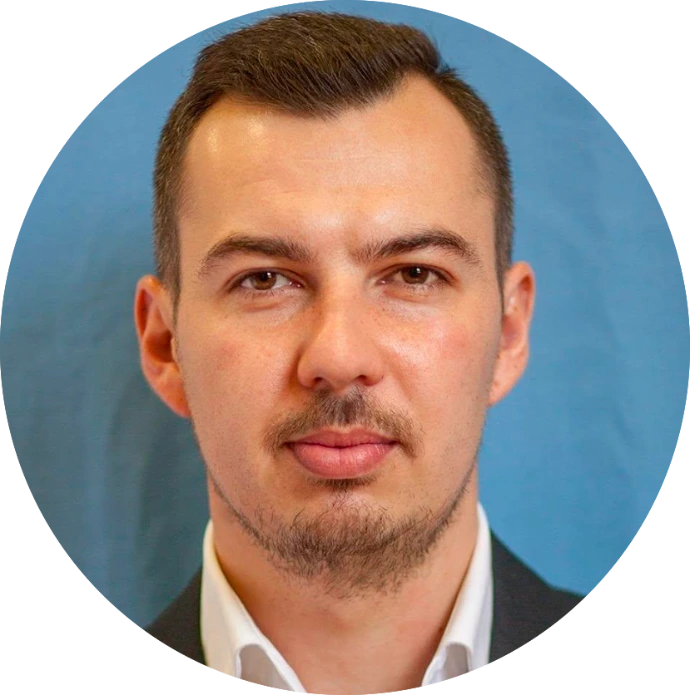
Dávid Mészáros
Teacher

Ildikó Orbán
Deputy Headteacher

Eirini Papageorgiou
Social Worker

Celina Silva
English Teacher and and President of the General Council
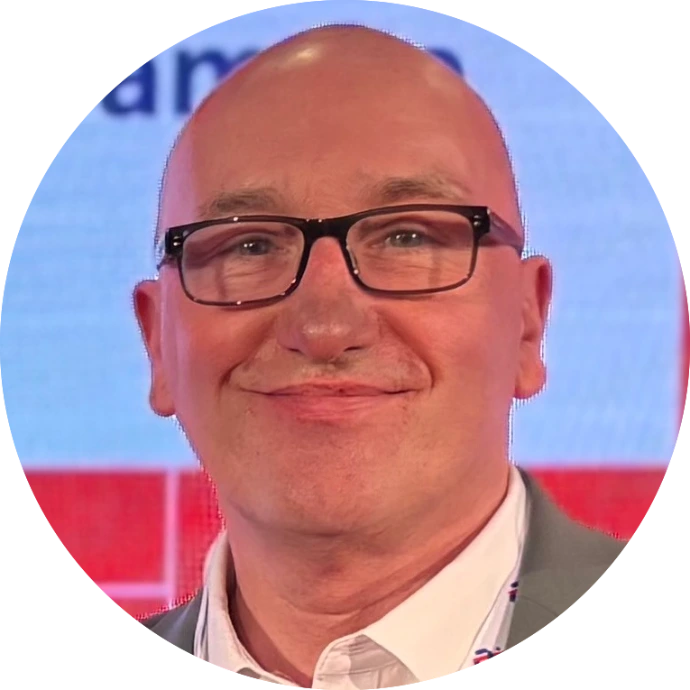
James Blomfield
AI for Education Consultant